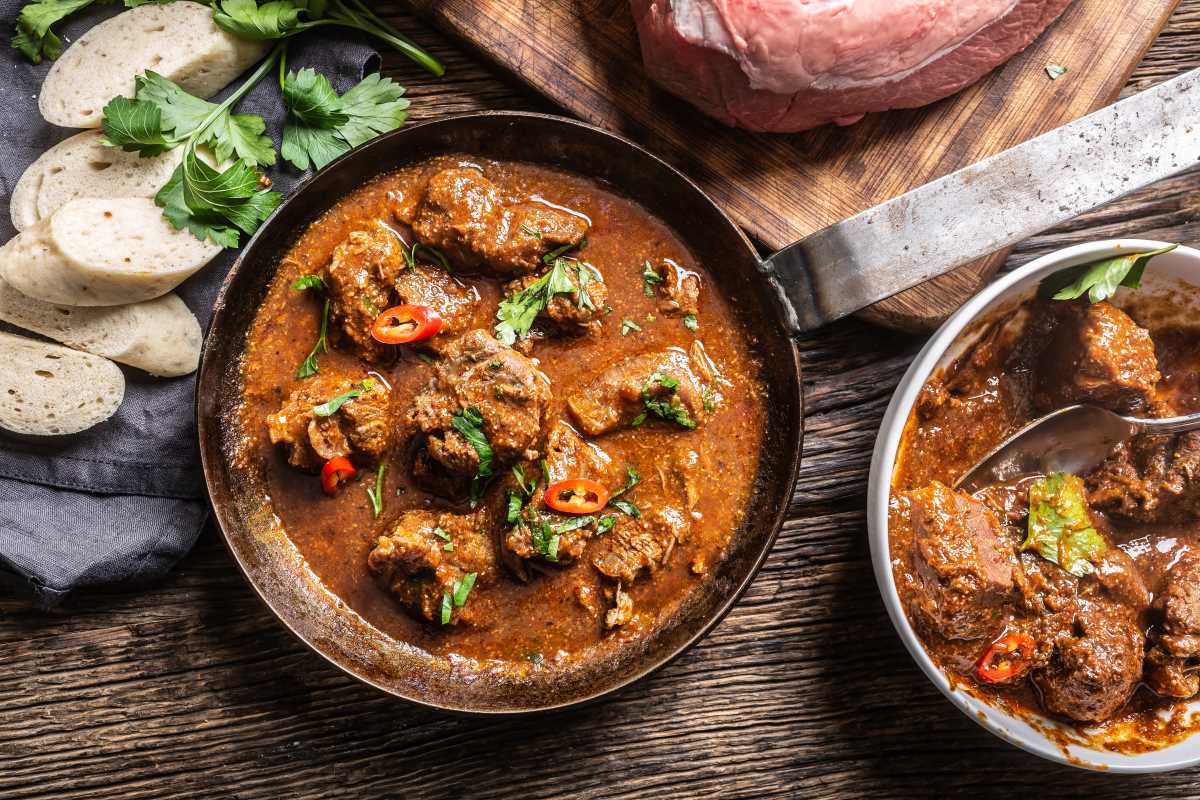
There’s nothing quite like a steaming bowl of Hungarian goulash to bring comfort and warmth to a chilly night. With its rich, smoky paprika flavor, tender chunks of beef, and simple ingredients, goulash is a dish that feels both cozy and hearty. Originating as a humble meal among Hungarian shepherds, it’s since become an iconic dish enjoyed around the world. Goulash is the kind of meal that fills both your stomach and your soul, perfect for family dinners or nights when you need a little extra comfort. And the best part? It’s surprisingly easy to make at home, using ingredients you likely already have in your kitchen. Are you ready to simmer up something delicious?
Understanding the Tradition of Goulash
Hungarian goulash, or “gulyás” in Hungarian, is more than just a stew. It’s a dish deeply rooted in Hungary’s history and culinary culture. The name “gulyás” comes from the Hungarian word for herdsman, and the dish was originally cooked by shepherds over open fires. What began as a simple one-pot meal of meat, water, and onions evolved over centuries into the flavorful stew we know today, with the introduction of paprika in the 18th century changing the game entirely.
What makes goulash so unique is its balance of flavors. It’s not just a beef stew; it’s characterized by its smoky, slightly spicy, and deeply savory taste. Traditionally, it was made with tough cuts of beef or pork that softened over long, slow cooking. Carrots, potatoes, and sometimes bell peppers are common additions, turning the dish into a complete and satisfying meal.
Choosing the Right Ingredients
The beauty of Hungarian goulash lies in its simplicity, but choosing the right ingredients can make all the difference. At the heart of the dish is paprika, Hungary’s famous spice. To get the most authentic flavor, try to find sweet Hungarian paprika, which has a distinct sweetness and smokiness without being overly spicy. If you like a bit of heat, mixing in a touch of hot Hungarian paprika can add a nice kick.
For the protein, beef is the most traditional choice. Cuts like chuck roast or beef shank work best because they become tender and flavorful when simmered slowly. If beef isn’t your thing, you can make an equally delicious version with pork or even lamb.
The vegetables are just as important. Onions are the base of the dish, usually cooked in generous amounts until soft and golden. Potatoes and carrots bring sweetness and heartiness, while tomatoes add a subtle tangy component. Bell peppers, though not always traditional, can add a lovely texture and pop of color.
Cooking the Perfect Goulash
The process of making Hungarian goulash is surprisingly straightforward, but it requires a bit of time to allow all the flavors to develop. Start by sautéing onions in lard or oil until they turn golden and slightly caramelized. This step is key, as the onions form the flavorful base of the dish.
Next, add the paprika to the onions, allowing the heat to release its aroma and rich color. It’s important to stir the paprika quickly to prevent it from burning, as it can turn bitter if overcooked. The beef is added at this stage, seared gently to lock in its flavor.
Once the meat is browned, water or beef broth is added to the pot, just enough to cover the beef. While the dish is simmering, the flavors of the meat, onions, and paprika combine to create that signature goulash taste. This is also when you add the vegetables, letting them cook until tender.
Slow cooking is essential for authentic goulash. It allows the flavors to deepen and the meat to achieve that melt-in-your-mouth texture. While the wait might test your patience, the end result is worth every moment.
Modern Variations to Try
While traditional Hungarian goulash is a timeless classic, there’s plenty of room to put your own spin on the dish. For a heartier version, consider adding dumplings or egg noodles, which soak up the flavorful broth and add a new layer of texture. Some cooks like to use red wine in place of part of the broth for a richer, deeper flavor.
For a vegetarian twist, swap the meat for mushrooms, beans, or lentils. The earthy flavors of mushrooms pair particularly well with the smoky paprika, and potatoes and carrots ensure it remains just as satisfying.
You can also experiment with spices to make the goulash your own. A pinch of caraway seeds or a bay leaf can bring out different dimensions in the dish, enhancing its complex flavor profile.
Serving Suggestions for the Full Experience
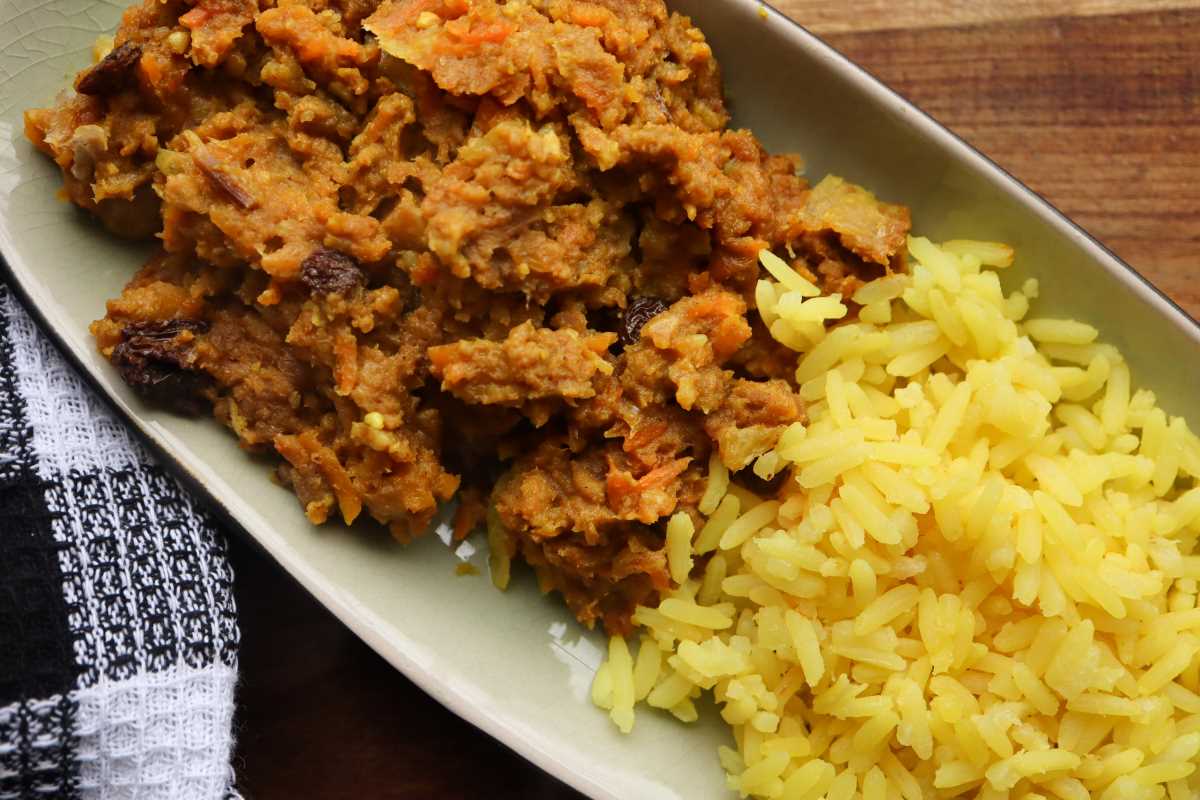
Hungarian goulash is best served piping hot, with a side of crusty bread to soak up the broth. Traditionally, it’s accompanied by nokedli, small Hungarian dumplings similar to spaetzle. The pairing of tender meat and pillowy dumplings is a match made in comfort food heaven.
If you’re feeling adventurous, try pairing your goulash with a dollop of sour cream. The creamy, tangy contrast cuts through the richness of the dish, brightening each bite. And of course, no Hungarian meal is complete without an optional glass of red wine, like a rich Bikavér or a light and fruity Kadarka.
Whether you enjoy it the traditional way or with your own unique twist, Hungarian goulash is the perfect way to warm up and savor a taste of one of Europe’s most beloved comfort foods. Once you master this dish, it might just become a staple in your kitchen for cold, cozy nights.