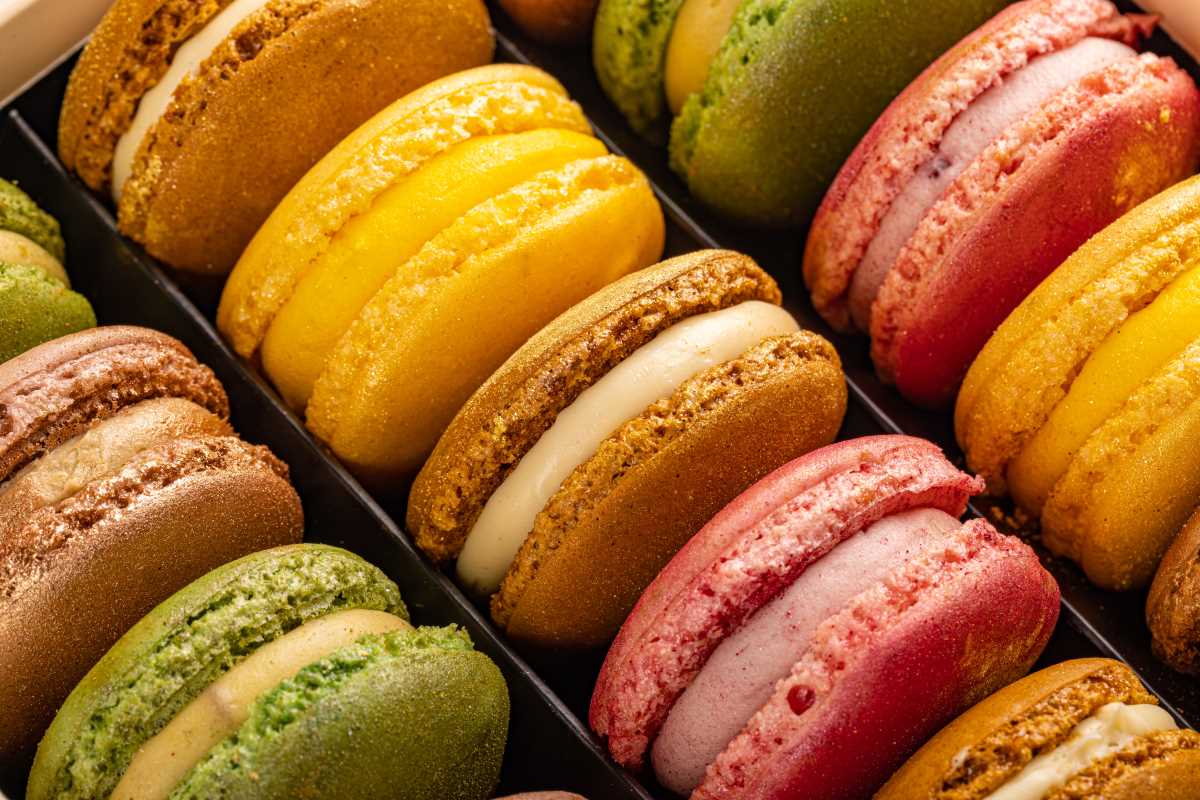
Ah, French macarons. Those delicate, pastel-colored cookies with their iconic smooth tops, chewy interiors, and creamy fillings. Is there any dessert that looks as elegant on a plate? But as charming as they are, macarons are infamous for being one of the trickiest confections to make from scratch. The batter can be temperamental, the shells are prone to cracking, and achieving that perfect “foot” on the bottoms feels like a badge of honor for bakers. If you’ve tried and failed (or have been too intimidated to even start), fear not! With a little patience, the right techniques, and a dash of determination, you’ll be wowing friends and family with homemade macarons that rival any Parisian patisserie.
Understanding the Basics
Before you even think about cracking your first egg, it’s important to understand what makes a macaron a macaron. These cookies are made up of two almond-flour-based shells sandwiched together with a filling, usually buttercream, ganache, or jam. Their charm lies in their texture contrast and visual appeal. The shells are crisp on the outside but soft and chewy inside, while the fillings add richness and flavor.
What makes them so challenging? It all comes down to precision and technique. Macarons rely on ratios, timing, and specific methods to turn out right. Baking isn’t just art; it’s science, and macarons demand respect for the process.
Gathering the Right Ingredients
One of the biggest mistakes people make with macarons is neglecting the importance of high-quality, precise ingredients. Since this recipe is so simple, every component is crucial to its success.
Almond flour is the base of any macaron shell. You’ll want to use finely ground almond flour that’s sifted to remove any clumps. If the flour is too coarse, it can ruin the texture of the shells.
Egg whites are the foundation of your batter. To make the meringue, use room-temperature egg whites for the best volume and stability. A pro tip? Age your egg whites by leaving them in a covered bowl overnight or for a few days in the fridge. This helps them whisk up beautifully.
Powdered sugar gives macarons their signature smooth texture and sweetness. Don’t skip the sifting step—even the tiniest lumps can disrupt the batter’s consistency.
Granulated sugar is used in the meringue. It’s whipped with the egg whites to create a structure that holds its shape during baking. Avoid using coarse or unrefined sugars for this step, as they won’t dissolve as smoothly.
Perfecting the Macaronage
“Macaronage” refers to the process of folding the dry ingredients into the meringue. This step might sound simple, but it’s the difference between triumph and disaster.
Start by making your meringue. Whisk the egg whites until they’re frothy, then gradually add granulated sugar while continuing to whip. The goal is to achieve shiny, stiff peaks that hold their shape without flopping over. Add a drop or two of gel food coloring at this stage if you want vibrant shells. Liquid food coloring can ruin the consistency, so stick with gels.
When your meringue is ready, sift the almond flour and powdered sugar mix over it. Then, fold the dry ingredients in gently, using a spatula to scrape around the bowl and cut through the center. Be patient and deliberate; overmixing leads to flat, runny batter, while undermixing results in stiff shells with no feet. The batter is ready when it flows off the spatula in a thick, ribbon-like consistency. It should form a figure-eight without breaking.
Piping Like a Pro
Once your batter is ready, transfer it to a piping bag fitted with a round tip. This is where precision really starts to matter. Line your baking sheets with parchment paper or silicone mats and pipe small circles of batter, about an inch in diameter. If you’re worried about uneven shapes, you can trace circles onto the parchment as guides.
When the cookies are piped, give the baking sheets a few firm taps on the counter to release any air bubbles. This step prevents unsightly cracks from forming in the shells as they bake. If an air bubble refuses to pop, you can gently poke it with a toothpick.
Now, the hardest part comes in the form of waiting. Macaron shells need to rest before baking, allowing them to develop a thin skin on top. You’ll know they’re ready for the oven when you can lightly touch the surface without it sticking to your finger. This usually takes about 30 minutes to an hour, depending on the humidity in your kitchen.
Baking to Perfection
The oven plays a critical role in macaron success. Preheat it to around 300°F (149°C) but keep an oven thermometer handy for accuracy, as home ovens can be finicky.
When the shells go in, the magic happens. Bake them for about 15-18 minutes, rotating the tray halfway through to ensure even baking. Keep a close eye on them because overbaking will make them dry and brittle. The ideal macaron shell should lift cleanly off the mat when cooled and reveal a smooth underside with distinctive feet at the edges.
To avoid disaster, resist opening the oven door too often. Sudden temperature changes can cause cracks or deflated feet.
Choosing the Perfect Filling
The filling is your chance to get creative with flavors and textures. Classic buttercream is a popular choice, and it can be infused with endless flavors like raspberry, vanilla, or lemon. To make it, whip softened butter until light and fluffy, then mix in powdered sugar and a hint of flavoring.
Ganache, made from melted chocolate and cream, adds rich decadence to your macarons. Use dark, milk, or white chocolate depending on your taste. For extra flair, you can flavor ganache with orange zest, mint extract, or even matcha powder.
Jam fillings pair wonderfully with lighter shells, offering a tart contrast to their sweetness. Try homemade raspberry or apricot jam for a fresh take on the classic fruit-flavored macarons.
The Art of Assembly
Once your shells are completely cool, you can start assembling. Gently pair up shells of similar sizes and place a small dollop of filling on one side. Be careful not to overfill, as the filling will spread when you press the top shell down.
When sandwiched together, the filled macarons should rest in the fridge for 24-48 hours. This waiting period, known as “maturation,” allows the flavors to meld and the textures to reach perfection. It might be tough to hold back, but trust us, it’s worth it.
Achieving perfect macarons takes practice, but every attempt teaches you something new about this delicate dessert. From mastering your meringue to fine-tuning your oven’s quirks, the secret lies in the details. And the best part? The reward for your efforts is as sweet as it gets. Happy baking!