 (Image via
Off-the-rack clothes are undeniably convenient. You find something you like, check the price tag, and voilà, it’s yours to take home. But as easy as they are to purchase, they’re not always the perfect fit. Whether it’s pants that bunch awkwardly, jackets that feel a little stiff, or dresses that could use more polish, off-the-rack pieces don’t always do justice to your unique proportions. That’s where tailoring comes in. A few strategic tweaks can elevate even the most basic ready-made garments, turning them into something that looks custom-designed just for you. With these simple tailoring tips, your wardrobe will have that upgraded, high-end feel without breaking the bank.
Focus on Fit, Not Size
Sizing systems for clothing are wildly inconsistent, varying even between brands. Trying to find “the right size” off the rack can sometimes feel like chasing a moving target. Instead of focusing on the number on the label, pay attention to how the garment fits on your body.
When shopping, look for pieces that fit comfortably in areas that are harder to alter, like the shoulders, chest, and hips. These are critical zones where fabric adjustments are more complex and costly. For other areas, like hem lengths or waistbands, focus less on the initial fit and more on the garment’s potential. If a pencil skirt feels just a smidge loose at the waist or a jacket sleeve runs longer than ideal, a quick trip to the tailor can solve those issues easily.
Hemlines That Hit Just Right
The hemline of your dress, skirt, or pants can make or break an outfit. Too long, and your silhouette can look weighed down. Too short, and the garment might not work for the occasion. Adjusting the hemline is one of the simplest alterations you can have done, and it’s often all you need to make an off-the-rack piece feel like it was made for you.
For pants, the hem should just graze the top of your shoe for a polished finish, or stop slightly shorter for a tailored crop look. Dresses and skirts should end at a spot that flatters your height and body type. Mid-knee or slightly above-the-knee hems are often an ideal length for dresses, creating balance and elongating the legs. The beauty of altering hemlines is that it lets you customize a piece to suit your personal style and preferences while adding an unmistakable touch of elegance.
Nipping and Tucking for a Sharper Look
Clothes that are too loose or boxy can easily overwhelm your frame. While oversized looks are trendy, they should still fall in a way that looks intentional rather than sloppy. Tailoring garments to follow the natural curves of your body can instantly refine them, making you look polished and put-together.
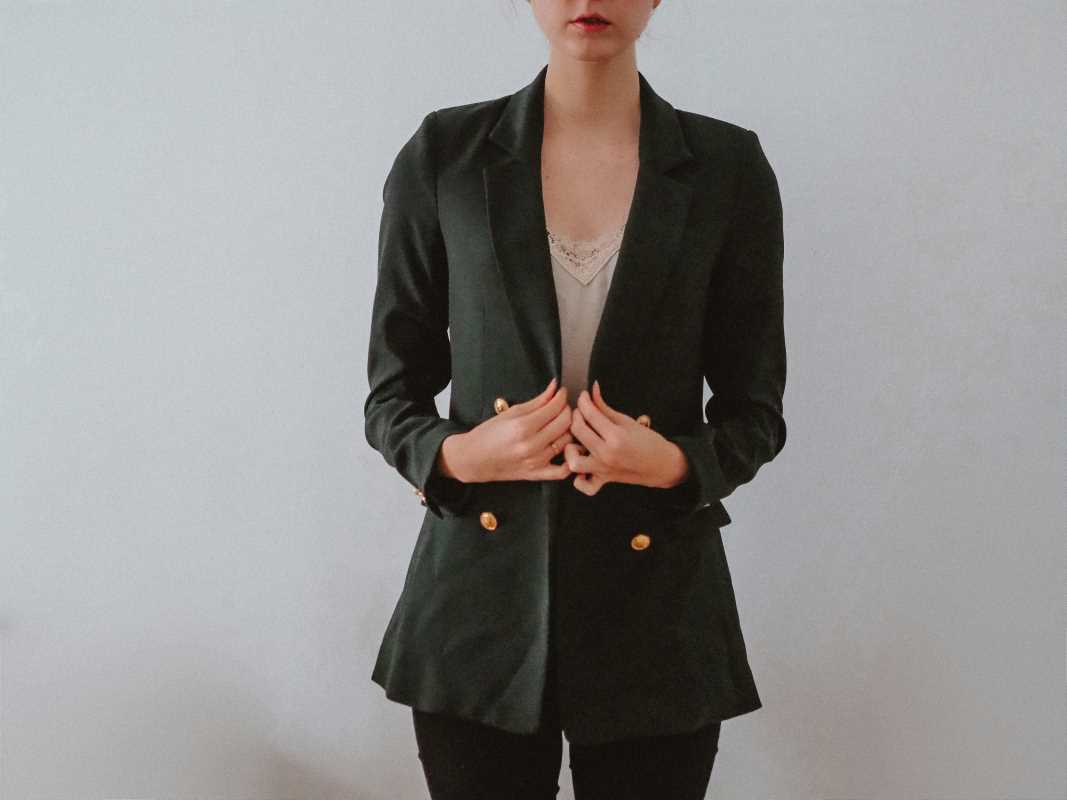
Simple nips at the waist of jackets, dresses, or shirts can give a more flattering, contoured appearance. Taking in the sides of tops or blouses ensures they skim your body perfectly without being restrictive. This approach works especially well for fitted blazers, which can go from off-the-rack to custom chic with some strategic adjustments. The result is a sleek, professional vibe that adds confidence to your outfit.
Adjusting Sleeves for a Proportional Finish
Sleeves are one of the first things people notice about a garment, and getting them right can drastically improve how your outfit looks. Oversized, droopy sleeves can make even the sharpest shirt or jacket feel less professional, while sleeves that are too tight or short can highlight fit issues.
For long sleeves, aim for the cuff to hit right at your wrist bone. Anything shorter or longer than that can make the garment appear ill-fitting. A slight taper can also go a long way in creating a contemporary, tailored look. Meanwhile, for short sleeves, adjusting the length to hit mid-bicep or slightly above can balance out proportions and provide a cleaner silhouette. Tailors can quickly address this with precise cuts or subtle stitching.
Creating Structure with Shoulder Adjustments
The shoulders are one of the most defining aspects of any outfit’s fit, especially for structured items like blazers or coats. Off-the-rack garments often have generic shoulder structures that don’t account for individual body types, leaving you with puffed, drooping, or overly padded shoulders that don’t work for you.
Ensuring your garment’s shoulders align perfectly with your own instantly optimizes the overall fit. Shoulder seams should sit right at the edge of your shoulder bone rather than sagging over it. If padding feels heavy or exaggerated, it can usually be reduced or removed for a softer, more natural shape. A clean, tailored shoulder line brings out the full potential of your outfit, making even a simple ready-made blazer look elegant and professional.
Reviving the Neckline for a Custom Flair
Sometimes the perfect piece you find in-store has just one issue: the neckline isn’t quite right. Maybe it feels a little too high and constricting, or maybe it’s a bit too wide for comfort. Either way, altering the neckline is another easy way to personalize an off-the-rack look.
Lowering a high neckline adds openness and can give a more flattering shape to tops and dresses. On the flip side, raising or smoothing out overly dramatic necklines can make the garment feel more versatile. Adjusting the neckline also allows for some creative customization, like converting a crew neck into a V-neck or turning a turtleneck into a mock neck. These small changes can better frame your face and suit your personal style without anyone knowing you had it tailored.
When in Doubt, Add Darts and Seams
One of the secrets to tailored perfection is learning the power of darts and seams. These small fabric adjustments not only improve fit but also add definition where it’s needed most. Darts along the waist, bust, or back panels can bring shapeless garments to life by creating structure and emphasizing curvature.
Tailors frequently use these techniques to refine the fit of dresses, button-down shirts, and high-waisted skirts. If the garment feels too loose or shapeless, adding well-placed seams and darts is the simplest way to solve the problem. They’re subtle tweaks that won’t change the overall design of your clothing but will elevate how it sits on your body.
Transforming your off-the-rack wardrobe doesn’t mean you need drastic changes; often, all it takes are small adjustments to make a significant difference. Tailoring lets you feel confident about how your outfits fit and ensures that every piece in your closet works as intended. It’s not just about looking good; it’s about feeling like your best, most polished self in every piece you wear.