 (Image via
In a world that seems to be moving faster every day, filled with endless notifications, deadlines, and social pressures, it is easy to feel like you are just running on a hamster wheel. We often look for ways to slow down and find a moment of peace, but it can feel like there is no time. What if a powerful tool for calm and focus was already sitting in your kitchen cabinet? Tea is one of the most popular beverages in the world, enjoyed by billions of people. But for many cultures, it is so much more than just a tasty drink. It is a ritual, a ceremony, and a chance to pause. By turning the simple act of making and drinking tea into a mindful practice, you can transform your daily routine, reduce stress, and connect more deeply with yourself and the world around you.
More Than Just a Drink: The Power of a Ritual
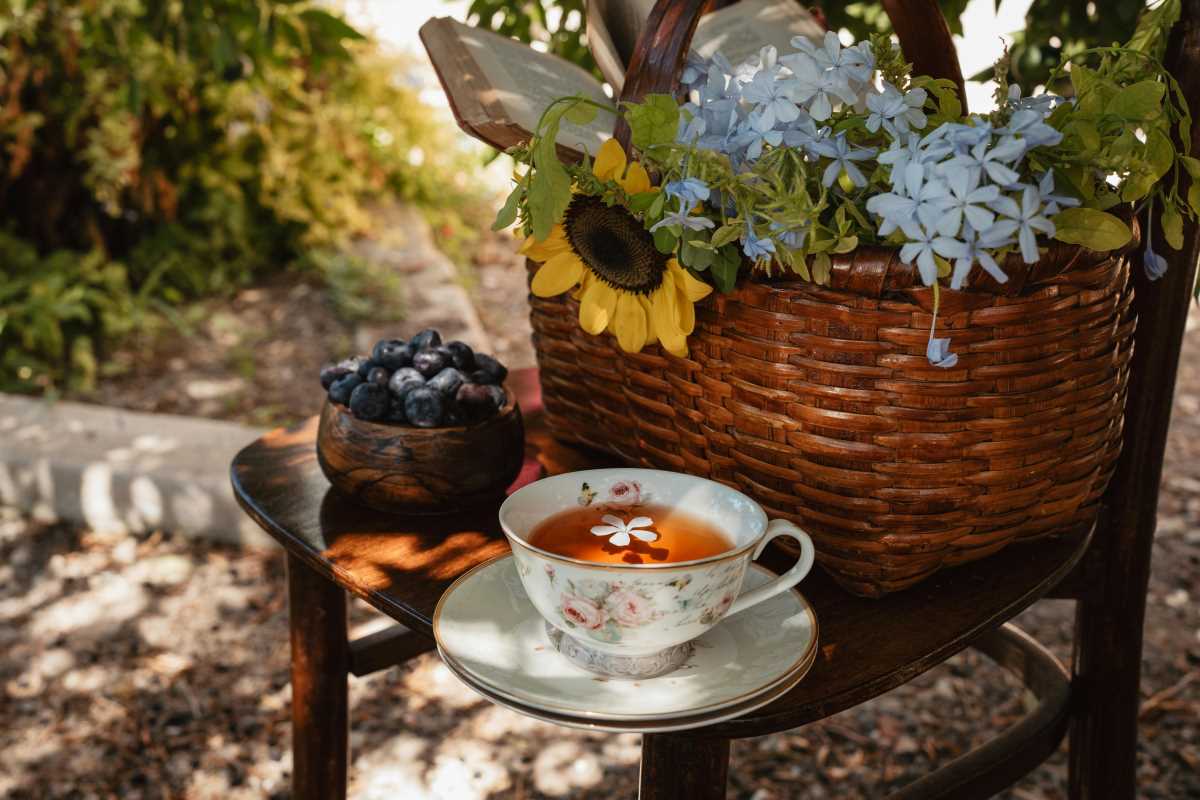
So, what is the difference between just drinking a cup of tea and creating a tea ritual? The difference is intention. A ritual is a series of actions you perform in a specific, mindful way. It is about paying attention to the process instead of just rushing to the outcome. Think about it: most of the time, you probably throw a tea bag in a mug, pour some hot water over it, and then forget about it while you scroll through your phone. A tea ritual invites you to slow down and engage all of your senses. It starts with choosing your tea, maybe a calming chamomile or an energizing green tea, depending on what you need at that moment. It is about listening to the sound of the water heating up, watching the steam rise from your cup, and seeing the water change color as the leaves infuse.
When you hold the warm mug in your hands, you feel its comforting heat. Before you take a sip, you take a moment to breathe in the unique aroma of the tea. Finally, you taste it, noticing the subtle flavors. By focusing on these small details, you pull your mind away from the worries of the past and the anxieties of the future, and you ground yourself firmly in the present. This simple act of mindfulness can be incredibly powerful. It creates a small pocket of peace in your day, a designated time to check in with yourself and reset your mind. It becomes a reliable anchor that can help you navigate the chaos of daily life.
Creating Your Own Personal Tea Ceremony
The best part about creating a tea ritual is that there are no strict rules. Your ceremony can be as simple or as elaborate as you want it to be. The goal is to create a practice that feels meaningful and restorative to you. You could start with a simple five-minute ritual every morning. Instead of grabbing your phone first thing, go to the kitchen and begin the process of making your tea. Use this time to think about one thing you are grateful for or to set a positive intention for the day ahead. This can help you start your day with a sense of purpose and calm, rather than a sense of rush and panic.
Alternatively, you might find that an evening tea ritual is what you need to unwind. An hour before bed, you could dim the lights, put on some relaxing music, and brew a cup of herbal tea that promotes sleep, like lavender or valerian root. Use this time to disconnect from screens and let your mind settle. You could pair your tea with a few minutes of journaling, reading a chapter of a book, or simply sitting in quiet reflection. By creating this consistent end-of-day routine, you signal to your brain and body that it is time to relax, which can lead to a much better night’s sleep. The key is consistency. When your ritual becomes a habit, its benefits multiply.
A Journey Through Tea Cultures
The practice of honoring tea is not a new idea; it has been a cornerstone of many cultures for thousands of years. Exploring these traditions can add a whole new layer of depth and appreciation to your own personal ritual. In Japan, the famous tea ceremony, known as "Chanoyu," is a highly respected art form. It is a slow, graceful process that emphasizes harmony, respect, purity, and tranquility. Every movement, from how the tea is whisked to how the cup is presented, is done with precision and mindfulness. The ceremony is designed to create a moment of peace and a deep connection between the host and the guests.
In China, the "Gongfu" tea ceremony is all about appreciating the skill involved in brewing a perfect cup of tea. It uses small clay teapots and tiny cups to brew the same leaves multiple times, with each infusion revealing a new layer of flavor and aroma. It is a celebration of the tea itself, honoring the craftsmanship of the tea farmer and the skill of the person brewing it. Meanwhile, in England, the tradition of afternoon tea is a social ritual. It is a chance to take a break from the workday, gather with friends, and enjoy tea alongside small sandwiches and pastries. It is a ritual centered on conversation and community. Learning about these traditions reminds us that tea has always been a vehicle for connection, whether it is connecting with ourselves, with others, or with the present moment.