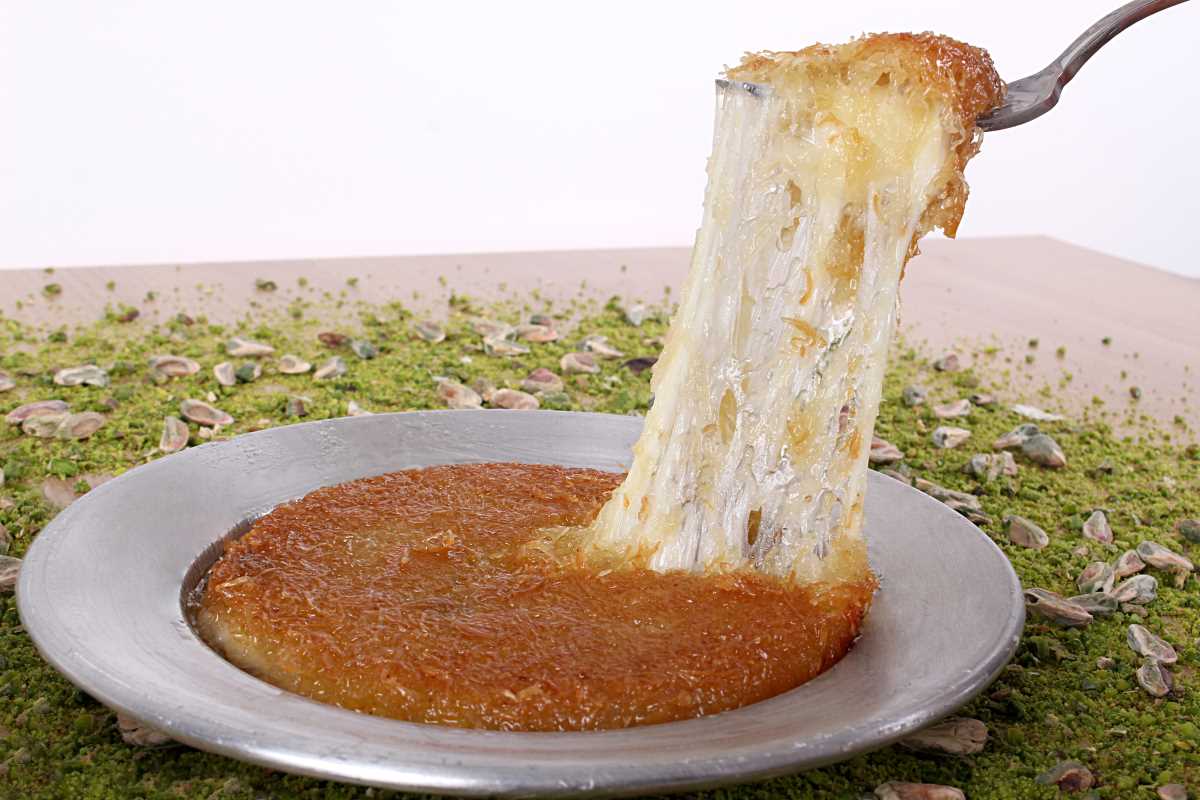
When it comes to satisfying a sweet craving, there’s nothing quite like knafeh. This iconic Middle Eastern dessert is a feast for the senses, combining layers of crispy shredded filo dough with a gooey, cheesy center and an aromatic sugar syrup. Each bite is the perfect balance of crunch, sweetness, and creaminess, making it utterly irresistible. Whether you’re wandering the streets of Beirut, Amman, or Ramallah, a tray of freshly baked knafeh is bound to draw you in with its golden color and inviting aroma. And while it may look like something only a skilled pastry chef could pull off, making knafeh at home is more approachable than you might think. If you’re ready to impress your taste buds (and maybe even your friends), it’s time to dive into the world of knafeh.
The Magic Behind Knafeh
Knafeh, sometimes spelled kanafeh or kunafa, is more than just a dessert. It’s a symbol of Middle Eastern culinary heritage, enjoyed across countries from Lebanon to Palestine to Egypt. Each region has its own spin on the dish, but at its core, knafeh is all about the balance of textures and flavors. The base is made of shredded filo dough, often called kataifi, which is layered over a filling of sweetened cheese or a creamy custard. Once baked to golden perfection, the whole thing is soaked in a fragrant sugar syrup flavored with rose or orange blossom water.
What makes knafeh truly special is its adaptability. Some versions, like the Palestinian style, feature a stretchy cheese filling made with nabulsi or akkawi cheese, while others, like the Egyptian take, use a creamy filling enriched with clotted cream or mascarpone. The toppings can vary too, from crushed pistachios to a simple garnish of extra syrup. No matter the variation, every version of knafeh delivers that signature blend of comfort and indulgence.
Finding or Preparing Kataifi Dough
The foundation of any good knafeh is the shredded filo dough that gives the dessert its crisp, flaky texture. Kataifi dough can typically be found in the frozen section of Middle Eastern or specialty grocery stores. If you can’t track it down, filo dough sheets make a workable substitute. Simply slice the sheets into thin strips to achieve the shredded effect, though the texture may be slightly different.
To prep the dough, it’s important to thaw it properly and separate the strands as much as possible. Mixing the shredded dough with melted butter ensures every strand gets crispy in the oven. This step may feel a bit tedious, but it’s worth it when you take that first crunchy bite.
Choosing the Perfect Cheese or Filling
The heart of knafeh lies in its creamy filling, and choosing the right cheese is key to success. Traditional recipes often call for nabulsi or akkawi cheese, both of which are mild, salty, and perfectly stretchy when melted. Since these can sometimes be difficult to find, mozzarella cheese is an excellent substitute. Its mild flavor and meltable texture mimic the traditional cheeses really well.
To reduce the saltiness of nabulsi or akkawi cheese, it’s common to soak the cheese in water, changing the water a few times until the saltiness is tamed. If you’re looking for a creamier version of knafeh, you can blend the cheese with ricotta or layer it with clotted cream for a velvety twist.
For those who don’t eat cheese or prefer something different, custard fillings made with semolina and milk are another option. This creates a smoother, creamier interior and pairs beautifully with the crispy kataifi top layer.
Mastering the Fragrant Sugar Syrup
No knafeh is complete without the sticky, aromatic sugar syrup that ties it all together. Making this syrup is surprisingly simple and requires just a few basic ingredients like sugar, water, and lemon juice. Combine the ingredients in a saucepan and simmer until the sugar dissolves and the mixture thickens slightly. Add a splash of rose water or orange blossom water for that irresistible floral aroma that defines so many Middle Eastern desserts.
The timing of the syrup is crucial. It should be poured over the knafeh while the dessert is still warm, allowing the dough and filling to soak up all that sweet, flavorful goodness. Be generous, but not too heavy-handed. The goal is to infuse the knafeh without drowning it.
Baking and Serving Knafeh
Once your dough is layered with the filling and topped with the remaining kataifi, it’s time to bake. Preheat your oven to a moderate temperature, around 350°F (175°C), for even cooking. Depending on the size of your pan, the knafeh may take 30 to 40 minutes to turn crisp and golden. Keep an eye on it toward the end to prevent overbaking.
When the knafeh comes out of the oven, don’t forget to add the syrup right away. The heat helps the syrup distribute evenly, ensuring every bite is perfectly moist and flavorful. For a final flourish, sprinkle crushed pistachios over the top. They not only add a pop of color but also provide a slightly nutty contrast to the sweetness of the dish.
To serve, use a sturdy knife or spatula to cut the knafeh into squares or wedges. It’s best enjoyed warm, when the cheese is still gooey and stretchy. Pair it with a cup of mint tea or strong black coffee to cut through the richness and round out the experience.
Knafeh isn’t just dessert; it’s an invitation to explore the rich flavors and traditions of the Middle East. It’s a dish that can bring a sense of celebration to any table, whether you’re making it for family, friends, or just as a special treat for yourself.