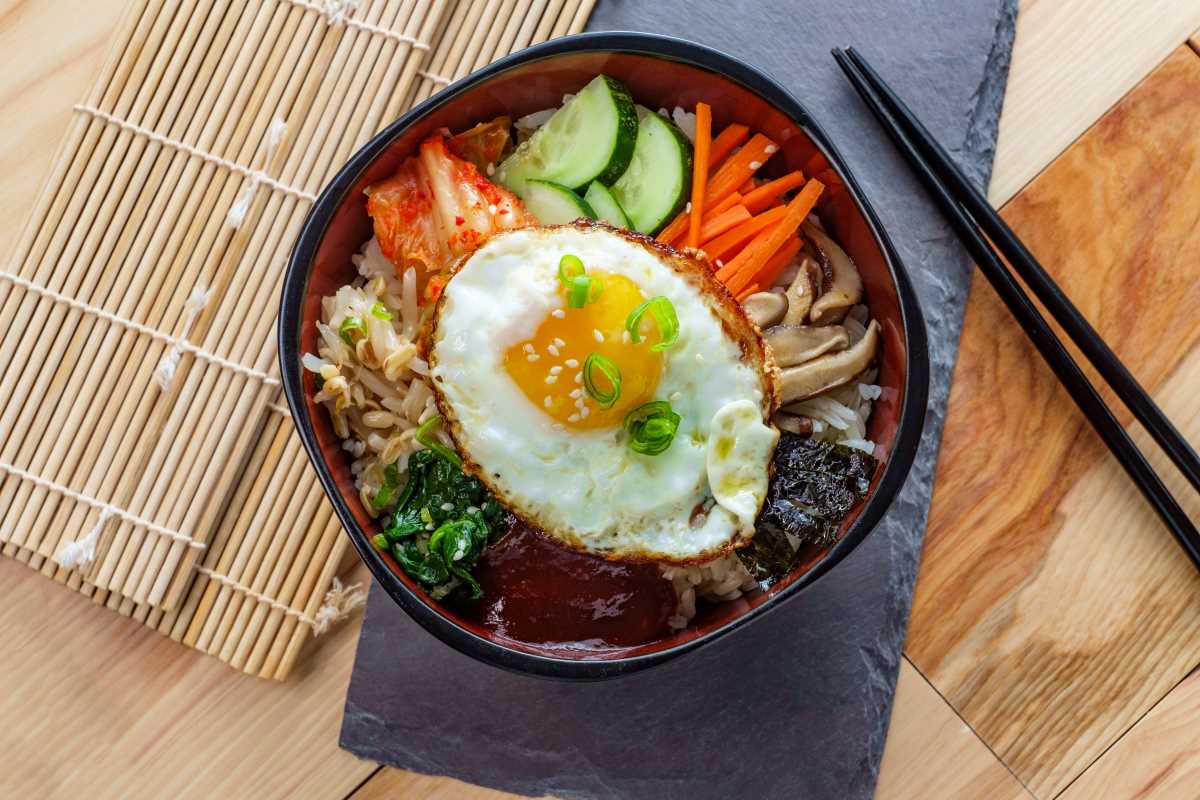
Imagine a dish that’s as vibrant to the eyes as it is to the taste buds. That’s bibimbap for you, a Korean classic that combines wholesome flavors, bold spices, and a medley of textures into one unforgettable meal. The word "bibimbap" actually means "mixed rice," but don’t be fooled by the humble name. This dish is anything but ordinary. Traditionally, it features a base of warm rice topped with colorful sautéed veggies, savory meat, a fried egg, and, of course, a generous dollop of gochujang, the famous Korean chili paste. But what if we took that foundation and gave it a fresh, creative spin? With a nod to tradition and a little modern flair, you can make spicy Korean bibimbap like you’ve never had before. Whether you’re a longtime fan of Korean cuisine or you’re just curious, this guide will take you step by step into the world of modern bibimbap magic.
The Core Ingredients of Bibimbap
At its heart, bibimbap is a celebration of balance. The dish blends diverse flavors and textures, creating something greater than the sum of its parts. To make a golden bowl of bibimbap, you need some familiar ingredients at its core.
The first and most obvious is rice. Traditionally, bibimbap calls for short-grain white rice, the kind that turns sticky and fluffy when cooked. But feel free to get creative. For a healthier or heartier take, try using brown rice, quinoa, or even cauliflower rice. Think of the rice as the base of a masterpiece; it should compliment, not overpower, the other ingredients.
Next come the vegetables. Classic bibimbap includes carrots, spinach, bean sprouts, and zucchini, lightly sautéed to keep them tender yet crisp. Each veggie brings its flavor and color to the bowl, creating an edible rainbow. But here’s where your flair can come in. Consider seasonal vegetables or even roasted ones like Brussels sprouts, sweet potatoes, or roasted red peppers to mix things up.
The protein is another pillar of bibimbap. It’s traditionally beef, often marinated in a sweet and savory soy-based sauce. You can swap this for chicken, pork, or tofu if you prefer. And for a truly modern twist, why not experiment with pulled jackfruit, crispy chickpeas, or even salmon?
Don’t forget the egg, typically fried with a runny yolk that adds richness to every bite once mixed in. If you don’t love runny eggs, feel free to soft scramble or poach it instead.
Finally, the spotlight ingredient is gochujang, the fiery yet slightly sweet chili paste that ties everything together. It’s one of the essential flavors of Korean cuisine. While you can't replicate its depth, you can blend it with extras like sesame oil, honey, or a dash of soy sauce for your custom spicy topping.
Adding a Modern Twist
Adding a modern twist to bibimbap is where the magic happens. Start by playing around with textures. Traditional bibimbap usually sticks to soft rice and lightly sautéed vegetables, but we can up the crunch factor. Think crispy fried shallots, toasted sesame seeds, or roasted seaweed strips dusted over the top for more variety in each bite. Even a handful of pickled veggies, like radishes or cucumbers, can bring that tangy pop to balance the spice.
Another way to modernize bibimbap is through bold fusion flavors. Take the traditional gochujang sauce, for example, and mix in unconventional ingredients like peanut butter or miso paste for a creamy depth that still packs in heat. Or, add a dollop of yogurt or sour cream to your bowl for a cooling layer alongside the spice.
Protein is another area to get creative. While Korean classics like bulgogi beef or egg are always reliable, why not try grilled shrimp for a smoky seafood flair? If you’re vegetarian or vegan, marinated and air-fried tofu works wonders. Crumbled tempeh or lentils seasoned with soy sauce and sesame oil can also add a hearty touch.
Lastly, consider the plating. Traditional bibimbap is known for its rustic, homely appearance, but who says you can’t upgrade the aesthetics? Try serving bibimbap in individual bowls, layering each ingredient like an artwork. Or, for an extra treat, use a sizzling hot stone bowl, known as a dolsot, so the rice crisps up at the bottom for extra texture.
Crafting the Perfect Sauce
The sauce is where the heat and flavor of bibimbap take the spotlight. Traditional gochujang already has loads of punch, but you can elevate it even further.
Start with a base of gochujang, then whisk in sesame oil and rice vinegar for smoothness and balance. Add honey or brown sugar for a touch of sweetness to offset the spice. If you like it extra tangy, fresh lime juice works beautifully. And for even more depth, soy sauce or mirin can take your sauce to new levels of umami.
Want to take your sauce to fusion territory? Mix in ingredients like tahini, Greek yogurt, or even mayonnaise for a creamy take. If you’re feeling bold, a small dollop of sriracha can give the sauce an extra fiery kick. Whatever you blend, make sure to taste as you go, adjusting the sweet, salty, and spicy balance to your liking. Don't be shy about making your sauce your own!
Tips for Perfect Assembly
Bibimbap is all about the presentation. You can’t beat the visual appeal of a neatly arranged bowl before everything is mixed. Begin by spooning your rice base into the center of the bowl. Smooth it out gently so other toppings can sit nicely on top. Next, add your vegetables, keeping them separate for that beautiful rainbow effect. Lay each veggie alongside the next in a tidy circle.
Place your protein right in the center for the eye-catching centerpiece of your dish. This could be marinated beef slices, tofu cubes, or even seared shrimp. The fried egg sits on top, glowing with its sunny yolk. Finally, drizzle the gochujang sauce generously but neatly over everything.
For that modern edge, add a handful of exciting finishing touches. Sprinkle sesame seeds, chopped scallions, or nori strips artfully across the bowl. A splash of sesame oil drizzled over the top brings a deep, nutty aroma. Don't forget the crispy elements you’ve chosen, whether fried shallots or crunchy seaweed snacks.
Now comes the fun part! Mix everything together to combine the flavors or enjoy each section separately to savor distinct tastes. Whichever way you eat it, your bibimbap will be both an explosion of flavor and a feast for the eyes.
Why Bibimbap is Worth the Effort
Bibimbap isn’t just a meal; it’s an experience. While the individual steps might seem detailed, the process feels creative and rewarding, especially when pairing traditional flavors with modern creativity. From sautéing vegetables to fine-tuning the gochujang sauce, each part of making bibimbap is an act of love for good food. And at the end, you’re rewarded with a dish that’s bursting with color, flavor, and personality. Whether you stick to the classic approach or play around with fresh ideas, bibimbap has a way of making food feel exciting in every bite.