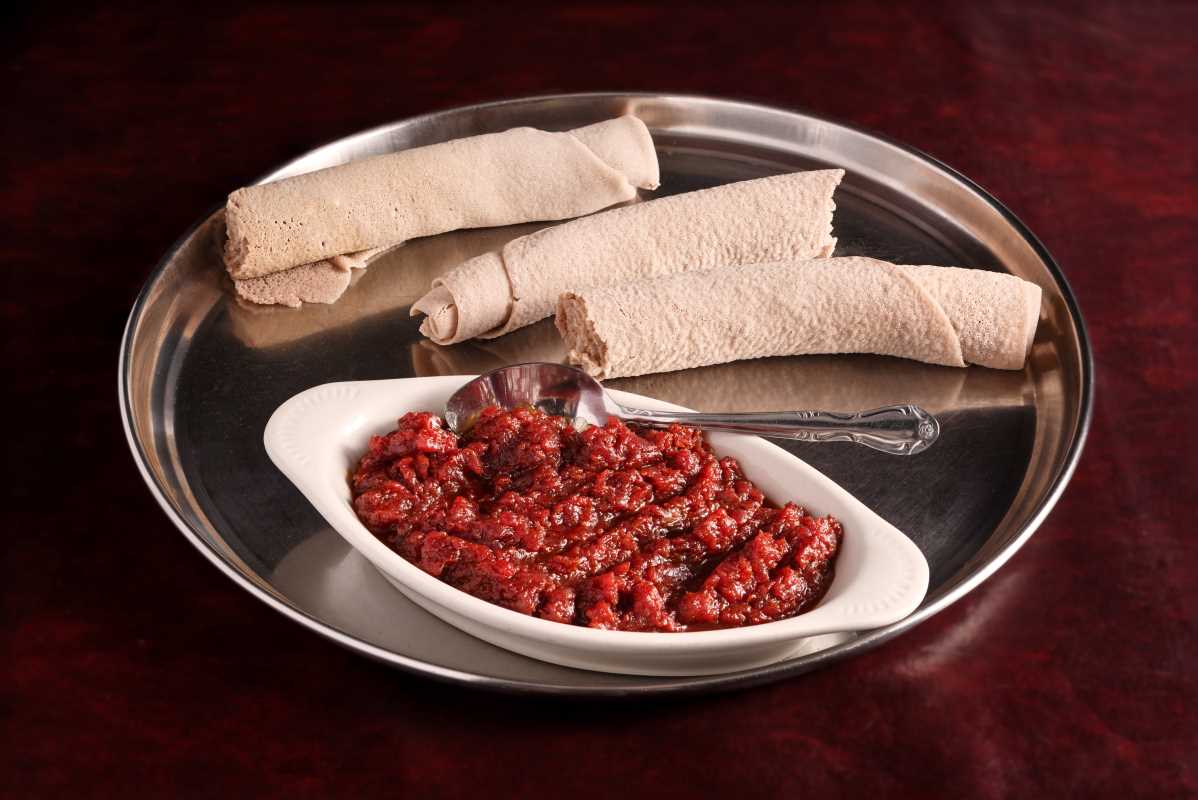
Ethiopian food is a true celebration of bold flavors, rich spices, and communal dining that brings people together. At the center of any Ethiopian meal is injera, a spongy, tangy flatbread that doubles as both a utensil and the foundation for vibrant stews and curries. Injera isn’t just food; it’s tradition and culture on a plate, often shared among friends and family. If you’ve ever wanted to recreate this dining experience at home, you’re in for a treat. While it may seem intimidating, making injera and pairing it with delicious, flavorful stews is easier than you’d think. With a little practice, you can bring Ethiopia’s warmth and spices into your own kitchen.
What Makes Injera Special?
Before you start making injera, it helps to understand what makes this flatbread so unique. Injera is made from teff, an ancient grain that is naturally gluten-free and packed with nutrients. It has a slightly earthy, nutty flavor and is fermented to give injera its signature sour tang. The fermentation process not only creates its distinct taste but also its trademark bubbly texture, similar to a thick crepe, with a lattice of holes perfect for soaking up stews.
The beauty of injera isn’t just in its flavor but in how it transforms a meal into an experience. It’s spread across a large tray, serving as both a plate and utensil since you tear off pieces to scoop up stews and sauces. The communal aspect of eating injera makes every meal feel like a shared celebration.
How to Make Injera at Home
Making injera starts with creating a simple batter, which requires a bit of patience but is otherwise straightforward. Traditional recipes use only teff flour and water, allowing natural fermentation to kick-start the batter. Mix the two ingredients until smooth, then set the batter aside for one to three days to ferment. You’ll know it’s ready when it has a bubbly appearance and a slightly sour aroma.
If teff flour is hard to find, you can use a mixture of teff and all-purpose or whole wheat flour. This provides a similar texture and flavor while making the process a bit more accessible.
Once fermented, the batter is ready to cook. Heat a nonstick skillet over medium heat and pour a thin layer of batter into the pan, swirling it around to create an even circle. Unlike a pancake, injera is only cooked on one side. Cover the pan with a lid and allow the steam to help cook the top while the bottom develops its iconic webbed texture. When the edges start to lift slightly, your injera is done.
The best part of making injera at home is that it fills your kitchen with the inviting sour scent of fermentation and toasty teff. Fresh injera is soft, pliable, and ready to be paired with flavorful stews.
Pairing Injera with Ethiopian Stews
No injera experience is complete without an assortment of mouthwatering stews, known as “wot” in Ethiopian cuisine. These stews are deeply spiced, layered with complex flavors, and brimming with rich ingredients. They range from fiery to mild and can include meat, legumes, or vegetables. Here are a few classic stews you can try to create the ultimate pairing.
Doro Wot
One of Ethiopia’s most iconic dishes, doro wot is a spicy chicken stew simmered in a rich, red sauce made with berbere spice blend, onions, and clarified butter (niter kibbeh). The chicken becomes tender as it cooks slowly in the aromatic sauce, and hard-boiled eggs are added toward the end of cooking to soak up the flavors. Berbere is key here, infusing the stew with a smoky, spicy kick that makes doro wot unforgettable. It’s the perfect complement to injera, as the bread mops up the thick, savory sauce beautifully.
Misir Wot
For a vegetarian option that’s as satisfying as its meaty counterparts, misir wot is the way to go. This hearty red lentil stew is spiced with berbere and simmered until creamy. The lentils absorb the spices and cook down into a rich, flavorful dish that pairs perfectly with injera’s tangy taste. Misir wot is simple to make, requiring just lentils, onions, garlic, ginger, and the spice mix to shine.
Atkilt Wot
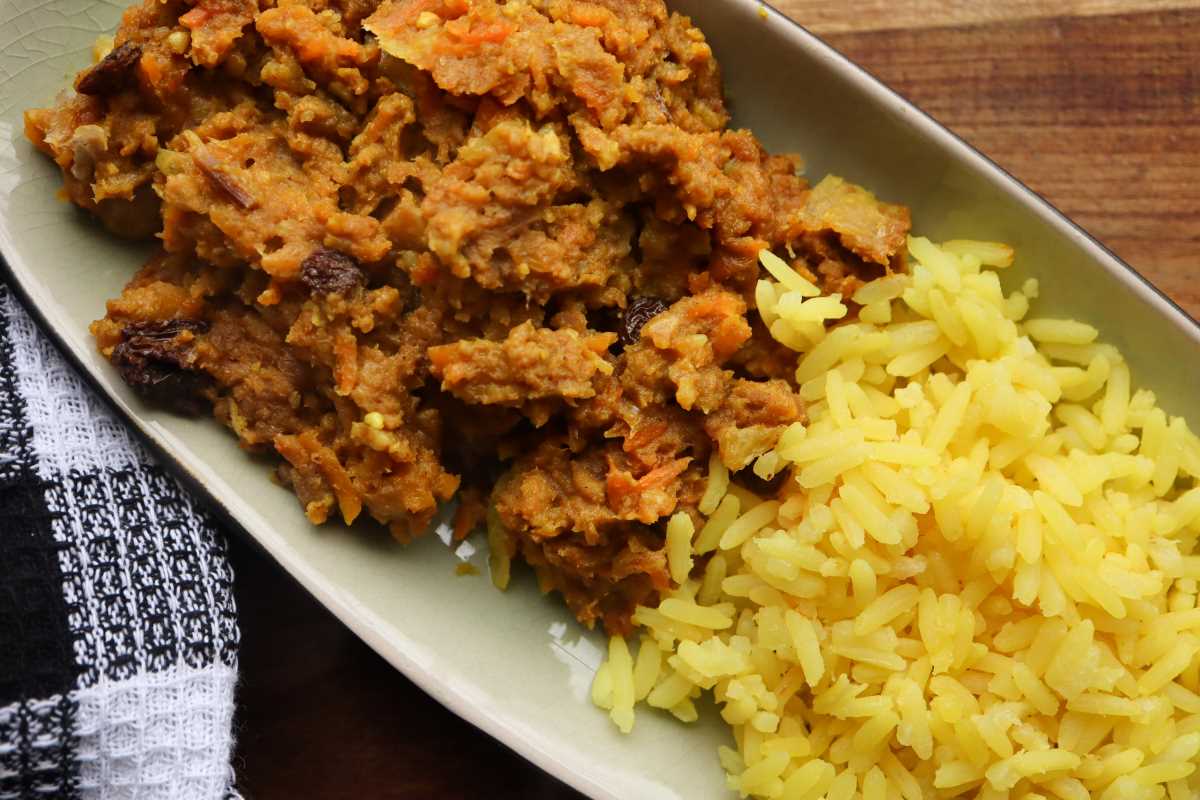
Atkilt wot is a mild yet flavorful vegetable stew made with cabbage, carrots, and potatoes. The vegetables are sautéed with turmeric, garlic, and ginger, creating a warm and comforting dish that contrasts beautifully with the spicier wots on the table. The natural sweetness of the vegetables balances the tang of the injera, making this a favorite for those who enjoy lighter, more subtle flavors.
Siga Wot
If you’re looking for a beef stew to add to the mix, siga wot delivers bold flavors and tender texture. Cubed beef is slow-cooked with berbere spice and caramelized onions, creating a sauce that’s thick, spicy, and packed with umami. Much like doro wot, this stew leans heavily on niter kibbeh and berbere, making it a rich, comforting option that’s irresistible when scooped up with injera.
Bringing It All Together
A true Ethiopian meal isn’t just about one stew or one piece of injera; it’s about variety and balance. Traditionally, a large round of injera serves as the base of a communal platter, with dollops of different stews placed across the bread. More pieces of injera are served on the side for scooping.
What ties everything together is the vibrant mix of textures, flavors, and temperatures. The spongy, tangy injera softens the bold spices of the stews, while the variety of ingredients keeps every bite exciting. Whether you stick to traditional wots or get creative with fusion flavors, injera is the perfect canvas for culinary exploration. Making it at home brings warmth to your kitchen and invites you to experience a piece of Ethiopian tradition.