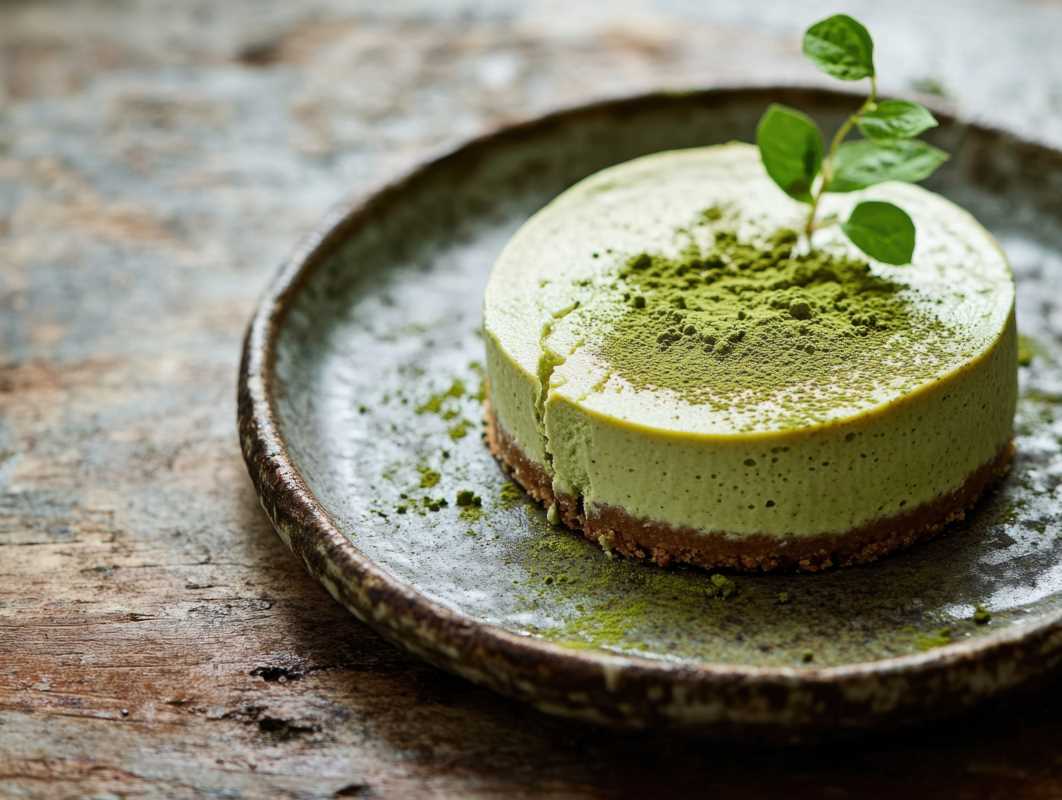
Desserts that are both visually stunning and absolutely delicious are rare, but Japanese matcha cheesecake manages to check both boxes effortlessly. It’s silky, creamy, and infused with the earthy, slightly bitter flavor of matcha green tea, a treasured ingredient in Japanese cuisine. What makes this cheesecake even more dazzling is its vibrant green hue, which stands out beautifully against its soft, fluffy layers. Whether you’re looking to elevate your dessert game or impress guests with something unique, matcha cheesecake delivers in every way. And while it might look like the kind of dessert you can only buy from a fancy bakery, making it at home is easier than you’d think.
Why Matcha is the Star Ingredient
Matcha, a finely ground green tea powder, is the heart and soul of this exquisite dessert. Its flavor is bold and distinctive, offering a perfect balance of grassy, umami notes with a subtle sweetness. High-quality matcha is vibrant green and packed with antioxidants, lending a healthy boost to your indulgence. While matcha is most commonly associated with tea ceremonies and lattes, its versatility shines in baking, where its robust flavor pairs beautifully with creamy bases like cheesecake.
For this recipe, ceremonial-grade matcha gives the best color and flavor, but culinary-grade matcha works perfectly well if you’re sticking to a budget. The trick to using matcha in desserts is to balance its boldness. Too much can result in a bitter taste, but just the right amount transforms cheesecake into something completely unforgettable.
The Basics of Japanese Cheesecake
Japanese cheesecake is known for its light, airy texture that’s closer to a souffle than the dense cheesecakes we might be used to. It combines the richness of cream cheese with whipped egg whites to create a dessert that melts in your mouth. Sweet but not overly so, Japanese cheesecake is the perfect foundation for flavors like matcha, which can stand out without overpowering the overall dessert.
Unlike traditional cheesecakes that start with a graham cracker crust, Japanese cheesecake skips the crust entirely. Instead, it focuses purely on creating the perfect balance of fluffy and creamy, making every bite feel like a cloud of sweetness. With a few simple techniques, you can recreate this texture in your own kitchen.
Preparing Your Ingredients
Before you start, it’s important to have all your ingredients ready and at room temperature. The cream cheese needs to be soft enough to mix smoothly, while the eggs should be separated, as the whites will be whipped into a meringue. Flour, sugar, milk, and butter are staples for the batter, while matcha powder is the star that gives this dessert its signature flavor and green color.
To avoid lumps of matcha in your batter, sift the matcha powder first. Sifting also helps it mix evenly with the flour, ensuring the green tea flavor is distributed throughout the cheesecake. Using a double boiler to gently heat the cream cheese, milk, and butter helps create a smooth base for the cake without risking curdling or scorching.
The Magic of Whipped Egg Whites
The key to Japanese cheesecake’s iconic texture is the egg white meringue. Whipping the egg whites with sugar until they form stiff peaks is what gives the cheesecake its airy, fluffy quality. When you fold the meringue into the matcha batter, the air bubbles trapped in the egg whites create a lightness that remains even after baking.
Folding the meringue into the batter requires a gentle hand. Using a spatula, carefully mix a small portion of the meringue into the batter first to lighten it, then gradually fold in the rest. This technique ensures you don’t deflate the meringue and lose the airiness that makes the Japanese cheesecake so special.
Baking to Perfection
Japanese matcha cheesecake requires a slightly different baking technique than standard cheesecakes. To achieve that delicate, cloud-like texture, it’s baked in a water bath. This method insulates the cake, keeping it moist while preventing cracks or browning on the surface.
Prepare a round cake pan by lining the bottom with parchment paper and wrapping the outside tightly with aluminum foil to prevent water leakage. Pour the batter into the pan and place it in a larger baking dish. Carefully add hot water to the baking dish until it reaches about halfway up the sides of the pan.
The cake bakes slowly at a low temperature, allowing it to puff up evenly without drying out. Once baked, it’s best to leave the cake in the oven with the door slightly ajar as it cools. This step prevents sudden temperature changes that could cause the cheesecake to collapse.
Serving and Styling Your Matcha Cheesecake
Once cooled, the matcha cheesecake is ready to take center stage. Its vibrant green color makes it a showstopper all on its own, but a little extra garnish can elevate its presentation even further. Dusting the top with a thin layer of matcha powder enhances the flavor and gives the cake a polished finish. For a sweeter touch, a sprinkle of powdered sugar can create a beautiful contrast against the green.
Fresh fruit, like strawberries or raspberries, adds a pop of color and pairs wonderfully with the slight earthiness of the matcha. A dollop of whipped cream or a drizzle of white chocolate offers added decadence for those who want to go all out. Whatever you choose, serving a slice of matcha cheesecake is pure joy for both the eyes and the palate.
Homemade Japanese matcha cheesecake might sound like a challenge, but the reward is well worth the effort. It’s a dessert that captivates from the first glance to the last bite, leaving everyone at the table eager for seconds.