Every city has its landmarks that draw in droves of visitors and make them iconic destinations. Paris has the Eiffel Tower, Rome has the Colosseum, and New York boasts the Empire State Building. But what about the buildings that get overlooked, the ones that locals cherish and visitors stumble upon like treasures? For those who love food, culture, and travel, finding these hidden architectural gems can feel like uncovering a secret recipe. These are the kinds of places where history, design, and a sense of place collide, offering a quieter but no less impressive showcase of a city’s personality. From tucked-away chapels to quirky modern buildings, here’s a look at some of the most fascinating under-the-radar architecture you can find in major world cities.
The Hidden Arcades of Paris
When you think of Paris, sweeping boulevards and historic landmarks like the Louvre or Notre Dame might come to mind. But nestled throughout the City of Light are its hidden arcades, covered passageways filled with quaint shops, cafés, and antique book dealers. The Galerie Vivienne, located near the Palais Royal, is one of the most gorgeous examples. Built in 1823 and fitted with intricate mosaics, glass ceilings, and vintage storefronts, walking through Galerie Vivienne feels like stepping into a slice of 19th-century Paris.
Many of these arcades were originally built as early indoor shopping malls, offering a retreat from rain and mud. Today, they’re perfect for anyone looking to explore Paris’ history in a quiet, intimate setting away from the usual tourist-packed spots.
Berlin's Bode Museum by the Spree
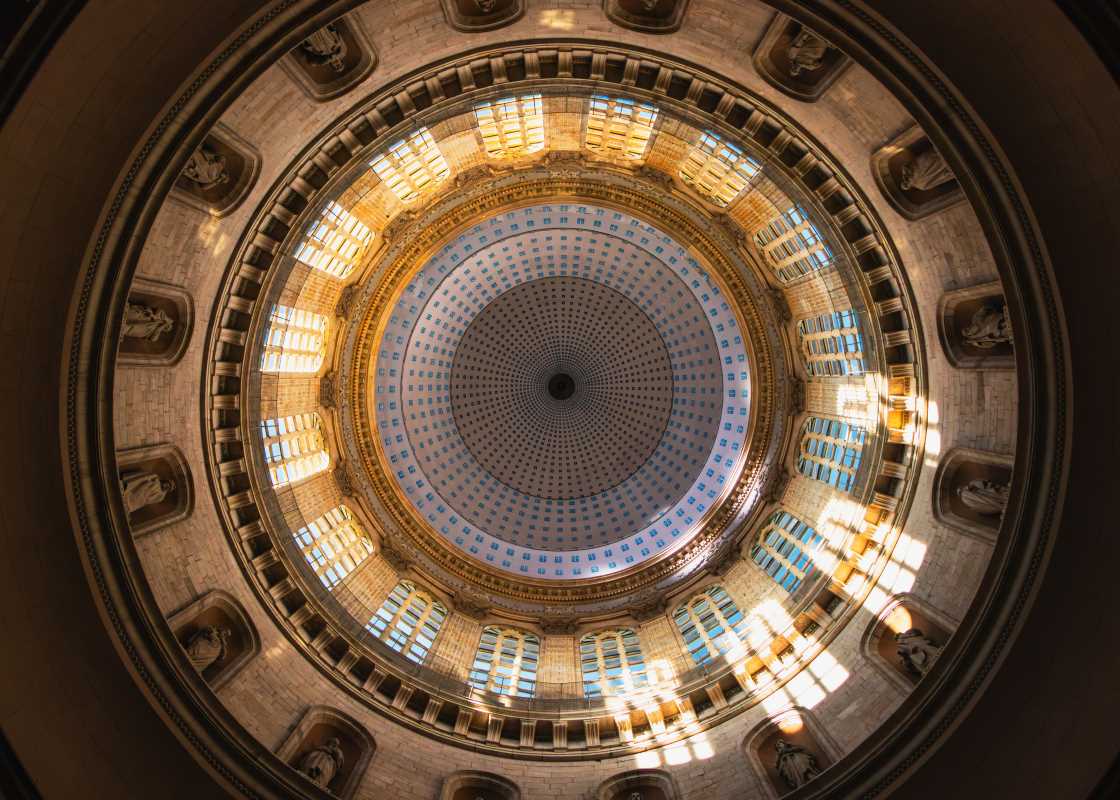
Berlin’s Museum Island is a world-renowned cultural hub, but one structure that often gets overshadowed by the iconic Pergamon Museum and Berlin Cathedral is the Bode Museum. Perched on the northern tip of the island, the Bode Museum is a masterpiece of baroque Revival architecture, complete with a stunning domed roof and riverside setting on the Spree.
Inside, the museum houses a lesser-known treasure trove of Byzantine art, sculptures, and coins. But it’s the architecture itself that often steals the show. The building’s curved forms and detailed stonework make it an enchanting sight, particularly at dusk when the soft lights reflect off the water.
São Paulo's Terraced Edifício Copan
São Paulo is the beating heart of Brazil’s culinary landscape, but its urban sprawl hides architectural surprises that rival its vibrant dining scene. Among them is Edifício Copan, a giant, wave-like building designed by modernist Brazilian architect Oscar Niemeyer. The building’s curvaceous facade and terraced design make it stand out among the city’s sea of boxy skyscrapers, and its mixed-use concept fosters a community within its walls.
Edifício Copan is more than just a residential building; it’s a cultural landmark. Its ground floor houses restaurants, cafés, and shops where you can sample everything from pão de queijo to strong Brazilian coffee, making it a favorite spot for both locals and visitors. Its unique modernist design feels almost alive, blending seamlessly into São Paulo’s energy.
Singapore’s Old Hill Street Police Station
Often overlooked in favor of Singapore’s flashy Marina Bay Sands or futuristic Gardens by the Bay, the Old Hill Street Police Station is a kaleidoscope of color and history. This building dates back to 1934 and was originally used as a police barracks. Its neoclassical design might seem stately at first glance, but what really captures attention are its windows–over 900 of them painted in a rainbow of colors.
Standing out against Singapore’s gleaming skyline, the Old Hill Street Police Station is a reminder of how vibrant and layered the city’s history truly is. Today, the building houses government offices, but its quirky charm remains, providing excellent photo opportunities for anyone exploring Singapore’s more unexpected corners.
Mexico City’s Casa Luis Barragán
While foodies might head to Mexico City for tacos and tamales, architecture lovers can’t miss Casa Luis Barragán. Tucked into a quiet neighborhood, this house turned museum was designed by renowned minimalist architect Luis Barragán and is a UNESCO World Heritage Site. Far from the city’s sprawling Zócalo or monumental Palacio de Bellas Artes, this home is a study in color, light, and simplicity.
Barragán’s use of bold hues–think pinks, yellows, and blues–and his ability to manipulate natural light make the house feel both modern and timeless. Visitors lucky enough to snag a ticket to this intimate space quickly realize it’s a perfect example of how architecture and art meet to create something profoundly personal.
Kyoto's Gion Tatsumi Bridge
Kyoto’s Gion district is famous for its historic teahouses and elusive geisha, but tucked away from the crowds is a picturesque architectural delight–the Tatsumi Bridge. This traditional wooden bridge spans a narrow canal lined with willow trees, providing one of the most serene settings in the city. The bridge itself is wonderfully simple, demonstrating Japan’s ability to combine nature and architecture effortlessly.
While it’s not obvious at first glance, the area around Tatsumi Bridge is dotted with small restaurants serving Kyoto-style kaiseki meals and street food treats like matcha ice cream. Strolling through this area in search of hidden culinary gems becomes an experience that combines food and history beautifully.
Cape Town’s Bo-Kaap Neighborhood
The colorful homes of Cape Town’s Bo-Kaap neighborhood aren’t just Instagram gold; they’re an architectural delight full of history and culture. Nestled against the slopes of Signal Hill, Bo-Kaap’s rows of bright, tightly packed homes are a stunning example of Cape Dutch and Georgian architecture, setting the area apart from the rest of the city.
The neighborhood has roots in Cape Town’s Malay community, and its mix of colorful facades is a reflection of the area’s rich cultural history. Drop by any local restaurant within Bo-Kaap, and you’ll likely find a hearty serving of Cape Malay curry to pair with its architectural charm.
Istanbul’s Çukurcuma Antique District
Istanbul is filled with jaw-dropping historical landmarks like Hagia Sophia and the Blue Mosque, but hidden among its winding streets is the Çukurcuma district, a treasure trove for antique collectors and history enthusiasts. This neighborhood is home to Ottoman-style houses that have been converted into shops and galleries, showcasing architectural details like wooden balconies, latticed windows, and ornately carved doors.
Çukurcuma oozes old-world charm and provides space to stumble upon both curious antiques and cozy cafés serving Turkish coffee and lokum (Turkish delight). Its layered architecture and vintage aesthetic tell a quieter, gentler story of Istanbul while retaining its famous vibrancy.
Chicago’s Rookery Building
While everyone rushes to take in Chicago’s famous skyscrapers and Millennium Park’s reflective Bean, architecture buffs should make a pit stop at the Rookery Building. Designed in part by Frank Lloyd Wright, this stunning 19th-century office building features a blend of Romanesque and Chicago-style influences. The interior light court, with its spiraling staircase and intricate ironwork, is a true hidden gem.
It’s easy to miss the Rookery when surrounded by some of the world’s tallest buildings, but stepping inside is like entering a forgotten era of design. And since Chicago is renowned for its deep-dish pizza and eclectic food scene, this building makes an ideal cultural pit stop before or after indulging in some local eats.
Hidden architectural gems breathe new life into familiar cities, offering visitors a mix of discovery, history, and design perfectly paired with each destination’s vibrant food culture. With some curiosity and a bit of exploration, even the most traveled cities still have enchanting surprises in store.