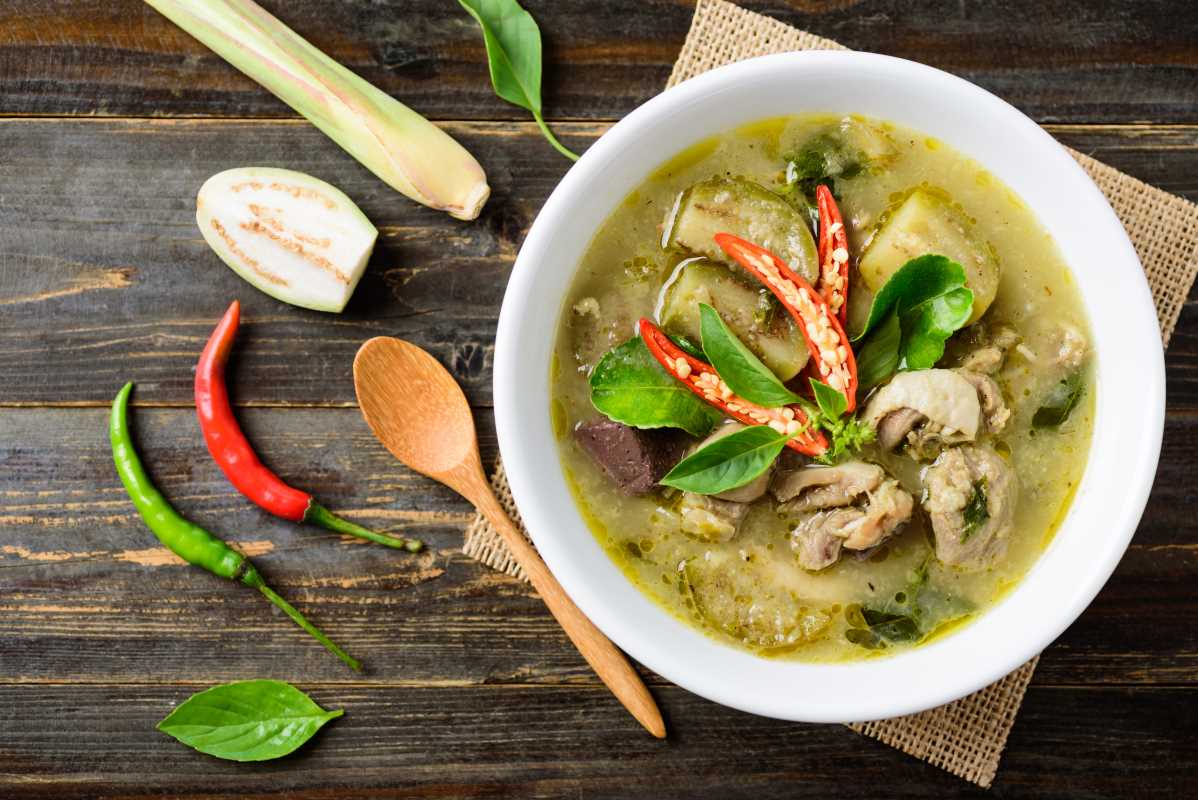
Thai green curry is one of those dishes that seems almost magical. It’s aromatic, creamy, spicy, and incredibly satisfying all at once. When you think of it, you probably picture calling up your favorite takeout place, hearing the knock at your door, and digging into that signature green bowl of comfort. But here’s the secret: making Thai green curry at home isn’t just doable; it’s a game-changer. Once you get the hang of it, you’ll realize how customizable, fresh, and exciting your homemade version can be. With a few tips, vibrant ingredients, and some love for bold flavors, you can whip up a green curry that’s even better than your go-to takeout.
Understanding Thai Green Curry’s Flavor Layers
Before we jump into cooking, it helps to understand why Thai green curry tastes so incredible. Its intense layers of flavor come from the perfect marriage of spice, herbs, creamy coconut milk, and umami-packed extras like fish sauce and shrimp paste. The "green" in green curry doesn’t just refer to its color; it’s a reflection of its balance of fresh and zesty ingredients such as green chilies, kaffir lime leaves, and Thai basil.
The wonderful thing about green curry is its versatility. Whether you stick to a traditional recipe or tweak it with your favorite vegetables and proteins, the dish is always vibrant and adaptable. The secret is nailing the balance between the fresh, hot, sweet, and savory flavors that make every bite exciting.
Mastering the Curry Paste
The foundation of any good Thai green curry is the green curry paste. While it’s tempting to grab a jar of pre-made paste (and that’s totally okay for quick fixes), making your own paste from scratch takes the dish to a new level. After all, there’s nothing like the bright aroma of freshly pounded herbs and spices to awaken your taste buds.
To make a traditional green curry paste, ingredients like green chilies, lemongrass, kaffir lime zest, galangal, coriander roots, garlic, and shallots are crushed into a smooth, fragrant paste. Shrimp paste is often added for depth, though vegetarians can skip it or use miso paste as an alternative. If you don’t have the time or tools for grinding, a food processor works wonders.
If you decide to use store-bought curry paste, don’t worry. You can still elevate the flavor by sautéing it in oil until it releases its aroma and then mixing in fresh ingredients like minced garlic, grated lime zest, or chili for an extra kick.
Picking the Right Protein and Vegetables
One of the reasons Thai green curry is so beloved is its ability to work well with a variety of proteins and veggies. Traditional options often include chicken or prawns, but modern variations explore everything from tofu to fish to vegan-friendly chickpeas.
For chicken, use tender cuts like thighs or breasts sliced into bite-sized pieces. Prawns and shrimp add a touch of elegance and cook quickly, making them perfect for weeknight meals. Tofu is a stellar option for a vegetarian twist, especially when pan-fried until golden and crispy to add a bit of texture.
When it comes to vegetables, Thai eggplant is the classic choice, but don’t shy away from experimenting with others. Snap peas, zucchini, bell peppers, or even broccoli can soak up the curry's flavor beautifully. For a touch of sweetness, cubes of butternut squash or sweet potatoes are absolute winners. Balancing textures and colors not only makes the curry tastier but visually stunning as well.
The Coconut Milk Factor
Coconut milk is what gives green curry its signature silky texture and mild sweetness. The quality of your coconut milk makes all the difference, so go for full-fat coconut milk if possible. It brings richness and helps carry the spicy flavors of the paste.
Coconut cream adds an extra layer of indulgence and can be stirred in toward the end of cooking for a thicker, more luxurious texture. If you prefer a lighter version, look for reduced-fat coconut milk or substitute a portion with vegetable stock for a thinner consistency.
Here’s a secret to elevating your coconut milk’s flavor. Instead of pouring it straight into the curry, first use the thick part of the canned coconut milk to "fry" your curry paste. The oils released create a richer, more fragrant sauce. This trick is easy and totally worth trying.
Balancing the Flavors
Thai cuisine is all about balance, and green curry is no exception. The key is hitting that perfect harmony of sweet, salty, tangy, and spicy.
Fish sauce brings a salty, savory depth to the curry. Add it sparingly at first, tasting as you go. For vegetarians or vegans, soy sauce or tamari can be excellent substitutes. Palm sugar or brown sugar adds sweetness that balances the heat from the chilies. Lime juice or tamarind paste offers a tangy edge that brightens the dish.
Never underestimate the power of fresh herbs. Thai basil, with its slightly licorice-like flavor, is an absolute must. Stir it in at the end to retain its freshness. Kaffir lime leaves are another game-changer, adding aromatic citrus notes to the broth.
Cooking It All Together
Once you’ve prepped your curry paste, proteins, veggies, and coconut milk, it’s time to bring it all together. Start by sautéing your paste in oil or coconut cream until it turns fragrant and slightly darker in color. This step enhances the flavors and sets the foundation for your curry.
Add your protein at this stage, coating it in the paste to allow the flavors to develop. Pour in the coconut milk and bring everything to a gentle simmer. If the curry becomes too thick, adding a splash of water or stock can help lighten it while maintaining its richness.
The vegetables go in next, timing them based on how long they take to cook. Harder vegetables like carrots or squash should go in earlier, while more delicate options like snap peas or spinach should be added right before serving.
To finish, stir in your fresh herbs, give it a taste, and adjust the seasoning. A final squeeze of lime juice brightens it all up.
Serving Suggestions to Complete the Experience
While the star of the meal is undoubtedly the green curry, how you serve it can elevate the experience even further. Traditionally, Thai green curry is paired with jasmine rice, which soaks up every drop of that fragrant, creamy sauce. The light floral notes of jasmine rice make it the perfect companion.
If you’re looking to add some crunch to the meal, consider serving crispy papadums or even a simple cucumber salad on the side. For something fun and modern, try ladling your curry over noodles like rice vermicelli or udon for an exciting twist.
A garnish of fresh red chili slices, extra Thai basil, or a sprinkle of crushed peanuts adds some visual flair and an extra layer of texture. Pair your meal with a refreshing Thai iced tea or a lime soda, and you’ve got yourself a dining experience to rival your favorite takeout joint.