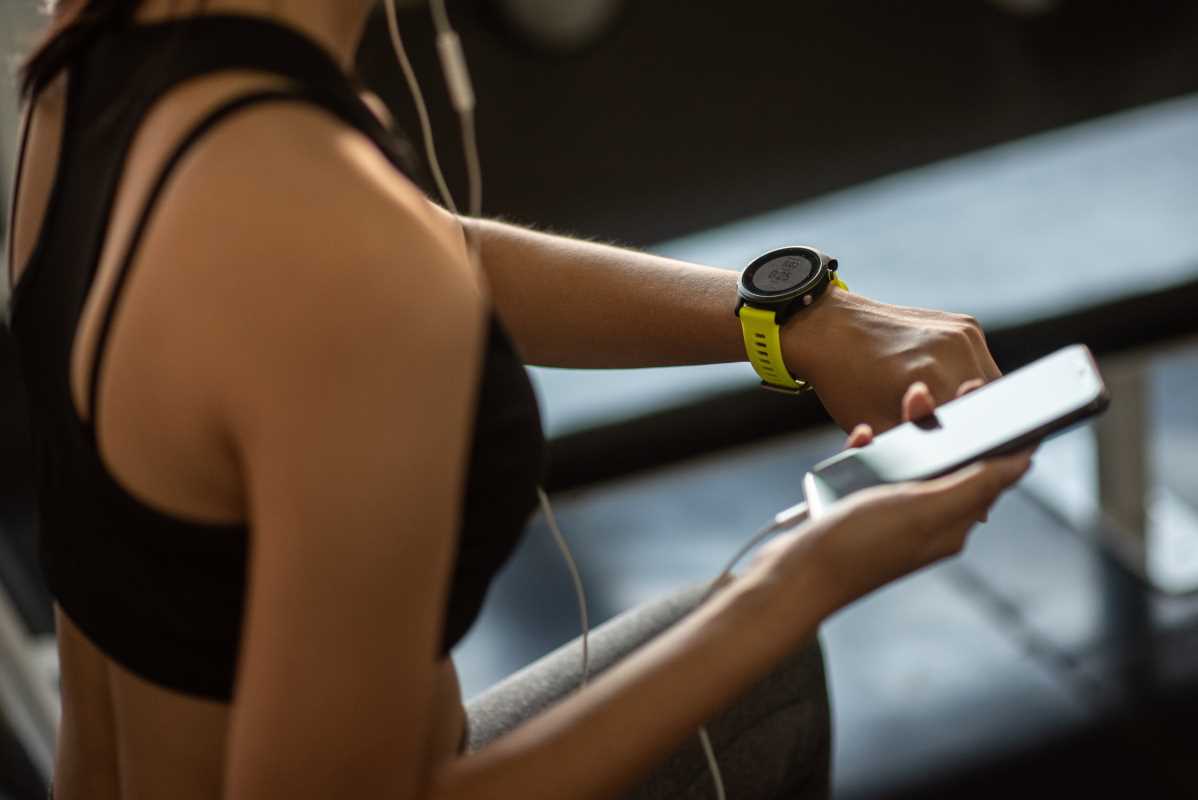
When it comes to fitness, the work doesn’t just happen during those grueling sweat sessions at the gym. True progress comes from consistency, reflection, and understanding your body’s story over time. That’s where fitness journals and apps come in. These tools are like your personal cheerleaders, helping you track every milestone, from the steps you take to the meals you eat and even the stress you manage. They’re not just for gym-goers, either. Whether you prefer running trails, striking yoga poses, or simply focusing on daily wellness, there’s a perfect journal or app to suit your goals. Tracking your progress helps keep you motivated, identify patterns, and recognize how far you’ve come, all while making the process feel achievable and—even better—fun.
Why Tracking Fitness Matters
Fitness is more than just numbers on a scale or goals hit during a workout; it’s a lifestyle that blends exercise, nutrition, and mental health into one big picture. Tracking your fitness lets you see that picture with greater clarity. Maybe you didn’t realize how much stronger you’ve become over the months or how those little victories, like drinking more water or hitting consistent sleep cycles, have added up to big changes.
Writing down or logging your progress also keeps you accountable. When goals feel abstract or out of reach, breaking them into smaller milestones can make all the difference. On top of that, seeing your improvements in black and white—or on a screen, in the case of apps—can be wildly motivating. The habit of tracking doesn’t just help you reach your fitness goals; it helps you understand the habits behind your health, creating a stronger connection to your body and mind.
Fitness Journals for the Pen-and-Paper Lover
There’s something special about writing things down. It feels intentional, and it’s a great way to slow down and reflect after a long day. Fitness journals have a way of bringing that personal touch to your wellness routine by giving you space to jot down how you’re feeling, what you’ve accomplished, and what you’d like to improve.
The Fitbook is one of the most popular fitness journals, and for good reason. It offers a structured—but not rigid—layout where you can track your workouts, meals, and even your mental state. Fitbook covers longer time frames, usually 12 weeks, so it’s perfect for people who love setting short- to mid-term goals. This journal includes space for weekly reflections, helping you assess what’s working and what needs tweaking.
For those who like a more guided approach, the Commit30 Fitness Journal is a tailored 30-day tracker designed to help you focus on one specific goal at a time. Its sections for gratitude, habit tracking, and logging your progress encourage a well-rounded approach to health.
If plain paper feels like a breath of fresh air, blank wellness planners like the Clever Fox Fitness Journal provide structured prompts without locking you into pre-defined formats. These allow you to customize how you log your meals, workouts, or overall progress and are an excellent choice for creativity-loving fitness enthusiasts.
Game-Changing Fitness Apps for Tracking Progress
For the tech-savvy fitness fan, apps are a game-changer. They’re always in your pocket and offer features that go way beyond what pen and paper can provide. From connecting with wearable devices to offering guided workouts, fitness apps make progress tracking not just easy but interactive.
MyFitnessPal is a classic in this space. Known for its stellar food logging features, it helps you track your calories, macronutrients, and nutrition with an impressive database of options. But what makes it even better is that you can log workouts, track weight changes, and sync the app with gadgets like Fitbit and Apple Watch. This makes it suitable for someone who wants a complete health overview at their fingertips.
Strava is the go-to app for runners, cyclists, and walkers alike. Its GPS-enabled tracking allows you to map your routes, compare your pace over time, and even compete with friends or others in the app community. Strava doesn’t just log workouts; it helps you see how far you’ve come, literally.
If mindfulness and balance are high on your health priority list, apps like Fitbit’s Premium membership or Pacer bring in features like sleep tracking, stress management, and guided meditation. These help connect fitness with mental wellness, creating a more holistic approach to tracking your progress.
Combining the Best of Both Worlds
Why choose between a journal and an app when the two can work together? Combining handwritten reflections with app data gives you the best of both worlds. For instance, you might use your app to track the stats and numbers from your workout, like steps walked or calories burned, while allowing your journal to reflect on the emotional and personal side of those workouts.
Many apps offer features that complement journaling. You can export reports from MyFitnessPal to review later or use Strava to log overall distances while sketching route goals in your journal. Approaching tracking with both mediums makes it easier to recognize patterns and set specific, meaningful goals.
Finding the right fitness journal or app comes down to your personal style and how you like to track your progress. Whether digital, analog, or a mix of both, these tools turn your fitness goals into actions and your actions into a story worth celebrating. Keeping track of your unique fitness and wellness adventure not only encourages you to stay consistent but also helps you uncover just how capable you are. Tracking isn’t just about data; it’s about connecting, reflecting, and growing every step of the way.